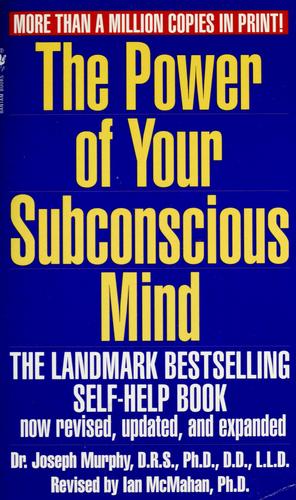
The Power of Your Subconscious Mind
by Joseph Murphy
A 1960s self-help classic with one decent idea buried under miracle anecdotes and repetition.
- Status
- Read · March 2025
- Bought
- March 22, 2025
- For
- Self-help readers who want a vintage classic · Anyone curious about the roots of 'manifestation' culture
The one-paragraph verdict
Murphy’s core claim — that what you repeatedly tell yourself shapes how you act — is real enough, and the book is short, plain, and easy to read, which is why people keep recommending it. The trouble is everything around that core: chapter after chapter of unsourced anecdotes where prayer or affirmation “cures” cancer, restores eyesight, or lands a fortune, presented as proof. It’s repetitive, it conflates correlation with magic, and it leans hard on a vague “subconscious as omnipotent genie” model that no psychologist would endorse. The signal-to-noise ratio is low, and the public 4.06 rating tells you more about the comfort it offers than about its rigor.
Who should read it
Read it if you want to see where modern “manifestation” and law-of-attraction content actually came from — Murphy is a primary source. Read it if you find vintage, optimistic self-help genuinely soothing and don’t mind the woo. Skip it if you want evidence-based psychology; [The Power of Your Subconscious Mind on Goodreads] will give you the full range of reactions.
Where it earned its place
It didn’t earn a place in my work, but it earned one habit: writing down a single, concrete intention before a hard week instead of letting it float around as anxiety. Stripped of the mysticism, that’s just plain self-talk and priming — and on that narrow point the book nudged me. I keep it on the off-duty shelf as a reminder of how persuasive a confident, repetitive voice can be.
Skip it if…
Skip it if you want substance over reassurance, or if unsourced miracle claims make you put a book down. The one workable idea fits in a paragraph; you don’t need 300 pages to get it.