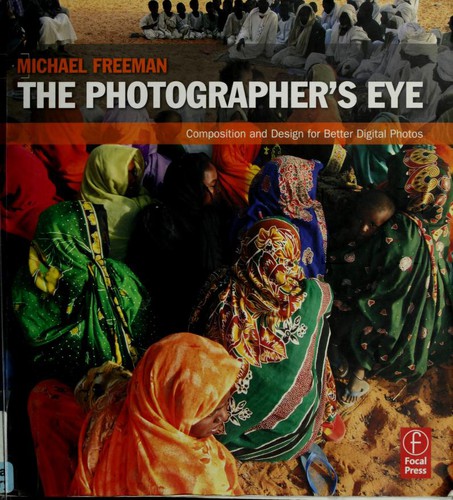
The Photographer's Eye
by Michael Freeman
The book that taught me to see the frame before the gear — composition over kit.
- Status
- Read · August 2020
- Bought
- August 5, 2020
- For
- Hobbyist photographers past the auto-mode stage · Anyone who keeps buying lenses instead of learning to frame · Visual thinkers who want the grammar behind a good shot
The one-paragraph verdict
Freeman’s whole argument is that composition is a deliberate act, not luck, and he backs it with vector sketches that show exactly how the eye moves through an image. The diagrams are the real value: balance, dynamic tension, and the gestalt of a frame, all rendered as something you can actually reason about. Where it wobbles is the digital framing — the “shoot knowing you’ll edit later” sections feel dated, and the prose occasionally turns dense and academic for what is, at heart, a practical book. I also found some chapters repeat the same principle under a new label. None of that undoes the core lesson.
Who should read it
Read it if you’ve outgrown auto mode and want the why behind a strong shot rather than a list of rules like “use the thirds grid.” It rewards people who think structurally. Skip it if you want gear reviews, lightroom tutorials, or a quick-tips listicle — that is emphatically not this book.
Where it earned its place
It rewired how I look at things even when no camera is around: I notice lines, weight, and where a frame pulls the eye now. That habit of decomposing a scene into forces has quietly leaked into how I think about diagrams and dashboards too. Mostly, though, it’s here because it made a hobby more deliberate and more fun.
Skip it if…
Pass if you’re a working pro who already composes by instinct, or if academic phrasing about “vectors of movement” makes you want to put a book down. For everyone in the middle, it earns the shelf.
[The Photographer's Eye on Goodreads]