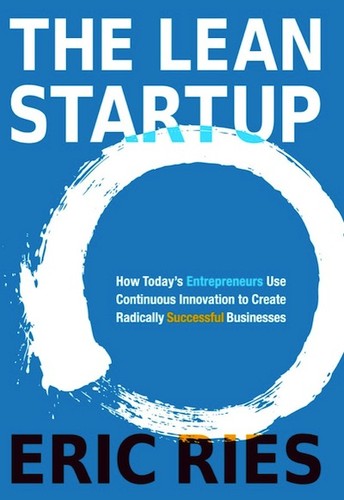
The Lean Startup
by Eric Ries
The vocabulary stuck; the book is twice as long as the idea needed.
- Status
- Read · July 2020
- Bought
- July 23, 2020
- For
- Founders shipping their first product · Engineers who build before they validate · PMs defining what 'done' means
The one-paragraph verdict
Ries did the rare thing of turning a vague instinct (“ship small, learn fast”) into a shared vocabulary: MVP, validated learning, the build-measure-learn loop, pivot-or-persevere. That framing alone earns its reputation, and it genuinely changes how you decide what to build next. The weakness is just as widely reported and just as real — the book is padded. The same handful of ideas get re-explained through a parade of case studies, and by the back half you are paying anecdote tax on points already made. It is a strong essay wearing a book’s clothing.
Who should read it
Anyone about to spend three months building something nobody asked for. Founders, early PMs, and engineers who default to polishing before validating will get the most out of it. If you already run tight feedback loops and treat assumptions as experiments, you know this material — you do not need 300 pages to be told so.
Where it earned its place
It gave me a habit more than a method: state the assumption, define what would prove it wrong, then build the smallest thing that tests it. That discipline outlived the book and bleeds into how I scope side projects, not just startups. The vocabulary also makes disagreements faster — “that’s a vanity metric” ends an argument cleanly.
Skip it if…
You want a tactical playbook with steps and templates. This is a mindset book dressed as a manual; the ideas are durable but the execution detail is thin, and you can absorb the whole thesis from a good summary in an afternoon.