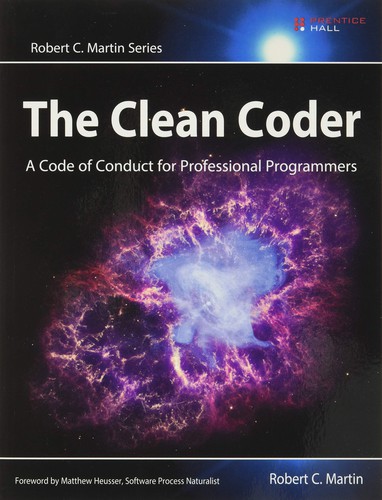
The Clean Coder
by Robert C. Martin
A classic to read — focuses on the core principles of professional software engineering and what you owe your craft.
- Status
- Read · December 2024
- Bought
- December 20, 2024
- For
- Engineers moving into senior or lead roles · Anyone who struggles to say no to a deadline · New developers building professional habits
Where it earned its place
The one-paragraph verdict
A classic, and worth reading as a companion to Clean Code — where that book focuses on the code itself, this one focuses on the engineer: what professionalism actually means, what you owe your team, and what the craft demands of you beyond shipping. Martin’s core argument — that professionalism means owning the consequences of your code, not just shipping it — lands hard and stays useful. The chapters on estimation, on the discipline of saying “no” to a date you can’t hit, and on protecting your own focus are concrete enough to change how you run a week. The recurring criticism is fair: the war stories are self-aggrandizing, the tone tips into lecturing, and some advice (“practice kata on your own time”) reads as idealistic for anyone with a life outside work. I read past the ego because the underlying code of conduct is genuinely good. [The Clean Coder on Goodreads]
Who should read it
Engineers stepping into senior or lead roles, and anyone who keeps agreeing to deadlines they privately know are fiction. The estimation and commitment chapters alone justify it. Skip it if you want a technical book — this is about behaviour, not code — or if preachy delivery puts you off enough to miss the signal.
Where it earned its place
The “say no, then own the yes” thread runs straight into how I think about building a blameless on-call. Martin’s point that a professional owns outcomes, not blame, is exactly the muscle a healthy incident culture needs: people who report the failure early instead of hiding it because the system rewards honesty over heroics.
Skip it if…
You want technical depth, or the genre of confident-older-engineer-tells-you-how-it-was already grates on you — the substance is real, but you’ll have to dig it out from under the anecdotes.