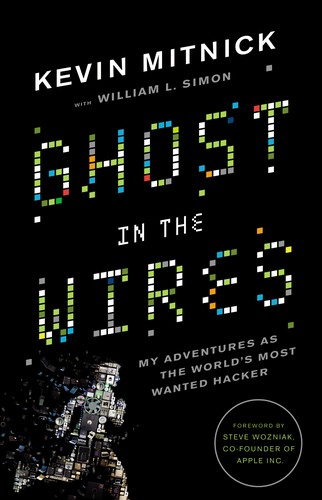
Ghost in the Wires
by Kevin Mitnick
The best argument for treating humans as the attack surface — wrapped in a thriller.
- Status
- Read · September 2024
- Bought
- September 3, 2024
- For
- Security engineers and red-teamers · Anyone designing auth or access controls · Readers who want the human side of breaches
Where it earned its place
The one-paragraph verdict
Mitnick’s real subject isn’t computers — it’s people, and how reliably a confident voice on the phone defeats a control nobody thought to question. The pretexting playbook here is genuinely instructive: badge numbers, internal jargon, manufactured urgency, the slow assembly of trust from harmless-looking fragments. It’s also, as plenty of reviewers note, too long and repetitive — the escapes start to blur, and the relentless I-was-the-smartest-guy-in-the-room framing wears thin by the back half. But strip the bravado and you’re left with the clearest case I’ve read for treating humans as the primary attack surface. [Ghost in the Wires on Goodreads]
Who should read it
Security engineers, red-teamers, and anyone writing auth or access policy — because the failures here are almost never cryptographic, they’re procedural and human. If you want a technical treatise on exploits, skip it; the tradecraft is dated and the depth is anecdotal, not systematic.
Where it earned its place
It sharpened why I lean on hardware-backed identity. Phishing and pretext calls don’t get you anywhere against a key that physically has to be present, which is the whole point of my YubiKey certificate-signing setup — move the trust into something a smooth talker can’t extract over the phone.
Skip it if…
You want current technique or you’ve already read enough about social engineering to recite the patterns — this is a memoir first, and the lessons are buried in a lot of self-mythologizing.