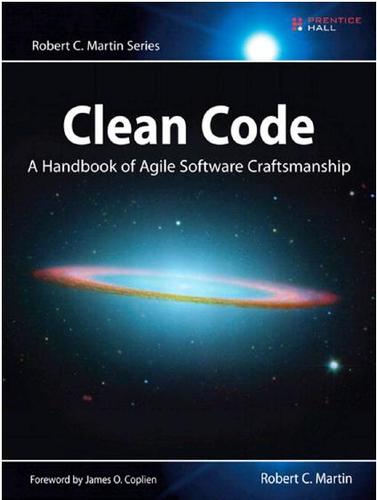
Clean Code
by Robert C. Martin
A classic to read — focuses on core design principles of software engineering that don't go out of style.
- Status
- Read · December 2024
- Bought
- December 20, 2024
- For
- Junior and mid-level developers · Anyone reviewing code on a team · Engineers wanting a shared vocabulary for craft
Where it earned its place
The one-paragraph verdict
A classic worth reading, and essential not because every page is correct but because it focuses on core design principles of software engineering that don’t go out of style. The strongest parts of this book are the early chapters: naming, keeping functions small, and the discipline of a single level of abstraction per function. That material genuinely changed how I review code. The weaker parts are where Martin presents personal taste as universal rule — the later examples sometimes shatter a readable method into a swarm of tiny ones, and the “argument for X” is often “because I say so.” The Java-only examples also age unevenly. As [Clean Code on Goodreads] reviewers note, it lands best for beginner-to-intermediate developers and frustrates anyone wanting justification over assertion.
Who should read it
Junior and mid-level developers get the most here — it gives a team a shared vocabulary for what “messy” actually means. Anyone who does code review will find a useful checklist. Senior engineers who already have opinions on abstraction and testing can skim it in an afternoon and should not expect revelation.
Where it earned its place
The book’s instinct against swallowing or hiding failure modes shaped how I think about error handling and resilience — exceptions over return codes, never returning null, failing loudly. That same bias toward explicit, observable failure runs through the Archives ingestion pipeline, where a silently dropped document is far worse than a noisy one.
Skip it if…
You are already comfortable reasoning about abstraction levels and testing, or you bristle at advice delivered as commandment — the dogma-to-insight ratio climbs steeply after the first third.