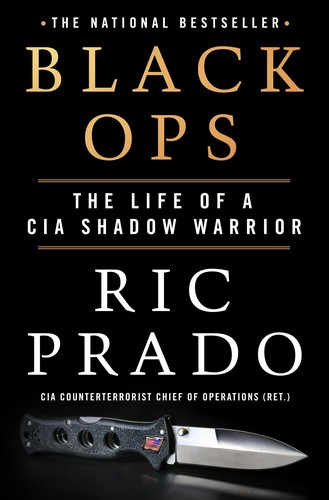
Black Ops
by Ric Prado
A vivid CIA paramilitary memoir that's compelling when it stays in the field and tiresome when it lobbies for the author.
- Status
- Read · September 2024
- Bought
- September 29, 2024
- For
- Readers curious about Cold War and post-9/11 covert ops · Anyone who liked CIA memoirs but wants the paramilitary side · History readers who can filter an author's self-framing
The one-paragraph verdict
Prado is the highest-ranking paramilitary officer to write this kind of memoir, and when he’s describing the actual work — the Contra war, running assets, building the early counterterrorism apparatus — it’s specific and genuinely interesting. The problem recurring reviewers flag is real: the prose is workmanlike, and the book tilts hard toward self-justification, with the author always cast as the competent adult in the room. It reads less like history and more like a closing argument. Take the operational chapters at face value and treat the editorializing as the testimony of an interested party, and you get a useful, one-sided window into a closed world.
Who should read it
Read it if you want the paramilitary, on-the-ground counterpart to the more polished analyst-and-station-chief memoirs — Prado’s career sits in the rougher end of the trade. Skip it if you’re looking for balanced history or critical distance on US covert action; this is a participant defending his life’s work, not a historian weighing it.
Where it earned its place
It’s a clean reminder that primary sources are people with agendas, and that the most useful thing you can do with a confident narrator is separate what they did from how they want you to feel about it. Pure off-hours reading — but the habit of reading a source against its own framing carries over everywhere.
Skip it if…
Pass if self-aggrandizing tone wears you out fast, or if you want the moral and political reckoning the book deliberately avoids. [Black Ops on Goodreads] has the fuller spread of reactions.